
Bear Archery Bear Paw Grip: Design, Feel, and Performance
How grip shape and wrist angle drive torque and accuracy, and how to tell whether a Bear bow grip suits your hand.
Better Outdoors is reader-supported. When you buy through our Amazon links we may earn a commission, at no extra cost to you. Learn more.
Key Takeaways
- “Bear Paw grip” is how many archers describe the hand-shaped wood grip found on Bear Archery’s traditional bows, not a separately sold Bear accessory we could verify.
- Bear’s traditional risers use a contoured wood grip that retailers often call a signature “heal horn” design; Bear compound bows use molded grips or side plates.
- Wrist angle (high, medium or low) matters more than looks: it decides how much torque your hand puts into the bow.
- Searching “bearpaw grips”? Bearpaw is a separate German traditional archery brand, not Bear Archery.
- Test a grip by shooting it with a relaxed hand, then fine-tune with tape, wraps or aftermarket side plates.
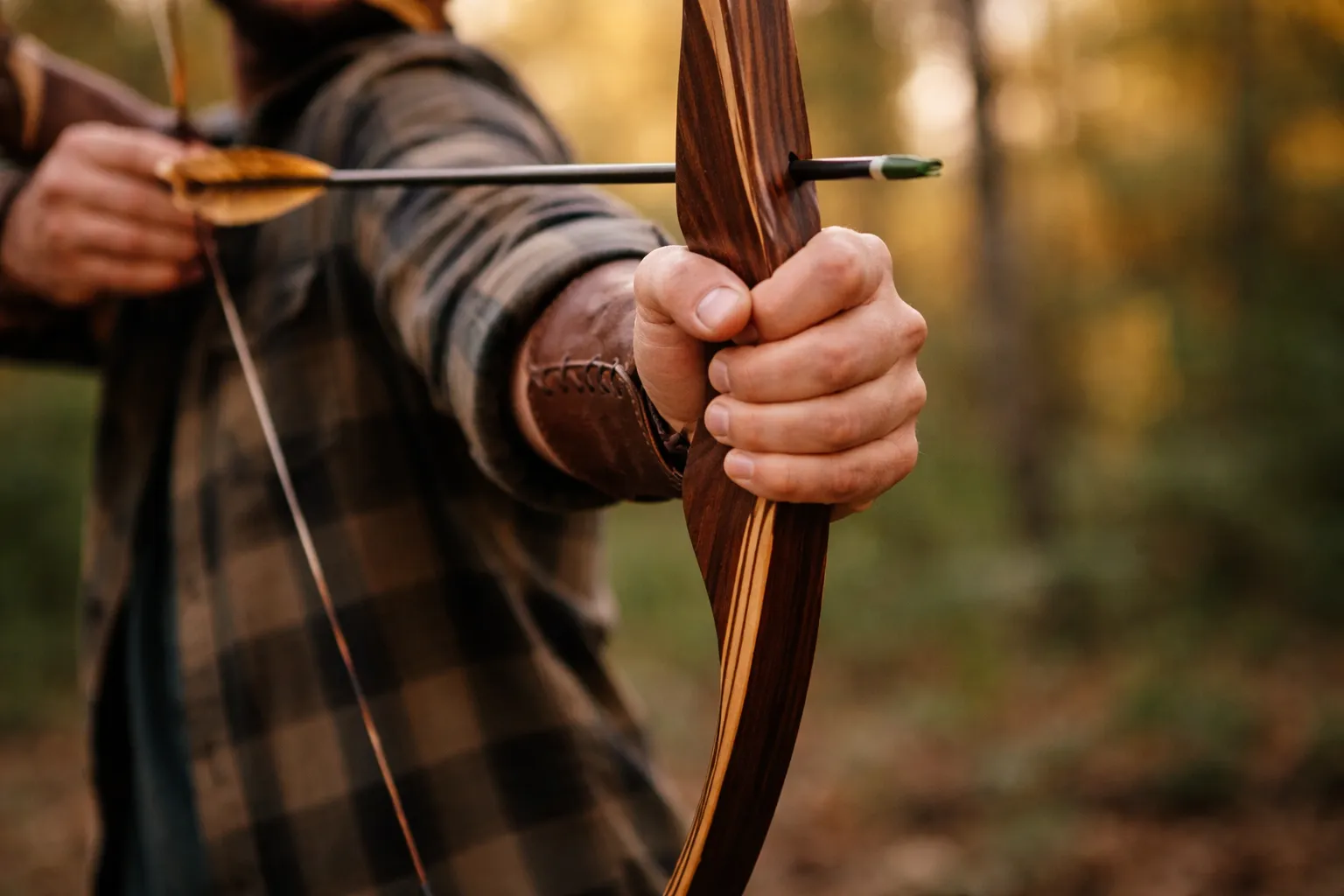
The Bear Paw grip is the name many archers give to the classic Bear Archery bow grip: a hand-filling wood handle on Bear’s traditional bows that settles your palm in the same spot every shot. Whether you searched “bear paw bow grip,” “bear bow grip” or “bear archery grips,” this guide explains how Bear grips are shaped, how wrist angle and material affect accuracy, and how to tell if a grip actually fits your hand.
One honest note before we start: we could not find a current Bear Archery product officially sold as the “Bear Paw grip.” So this Better Outdoors guide covers the grip style people mean when they use that name, plus Bear bow grips in general, both traditional and compound. If you are really looking for the German Bearpaw brand, we cover that too.
Try the free Bow Finder QuizSix questions to match you with the right bow.What People Mean by the “Bear Paw” Grip
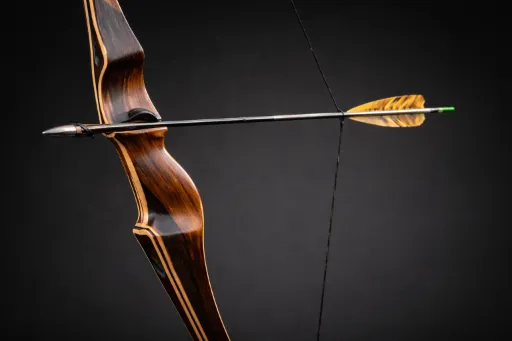
Bear Archery built its name on traditional bows, and the grips on those bows share a recognizable feel: a full, rounded handle with a defined throat and a heel that fills the base of your palm. Retailers selling Bear take-down risers often describe a signature “heal horn” grip, and many shooters casually call that hand-shaped contour a “bear paw” grip.
The thinking behind it is simple:
- Consistent placement. A shaped throat and heel guide your hand to the same spot every time.
- Pressure through the bones. The grip encourages you to push the bow with the meat of your thumb, lined up with your forearm, instead of squeezing.
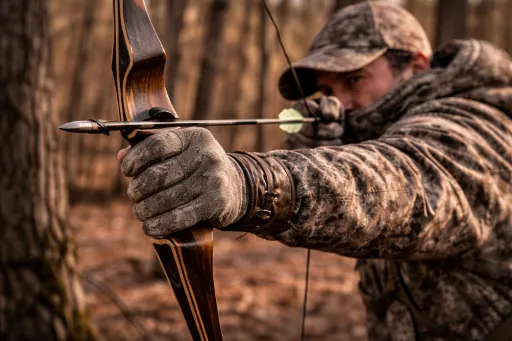
- Hunting practicality. A full wood grip is comfortable with cold hands or thin gloves and doesn’t need extra parts to work.
On Bear compound bows, the idea is the same, but the execution is different: a slimmer molded grip or bolt-on side plates on the riser. More on that below.
Grip Shape and Wrist Angle
Every bow grip falls somewhere on a spectrum from low wrist to high wrist. This angle decides where your hand pushes on the bow, and it is the single biggest factor in how a grip feels.
| Wrist style | Hand position | Feel | Common on |
|---|---|---|---|
| Low wrist | Heel of the hand carries most of the pressure; wrist bends back | Stable and natural for many hunters, can add torque if you grab | Many traditional recurves and longbows |
| Medium wrist | Pressure spread between heel and thumb pad | A balanced middle ground for most archers | Many Bear-style traditional grips and hunting compounds |
| High wrist | Pressure high on the thumb pad; wrist nearly straight | Less contact area, less torque, but needs good form | Target recurves and some target compounds |
The classic Bear-style traditional grip sits in the low-to-medium range: comfortable, forgiving of cold fingers and easy to find in a hurry. Archers who want a “high wrist vs low wrist” choice on a traditional bow usually choose by feel. There is no universally best angle, only the one that lets your hand relax.
Material and Surface Feel: Wood vs Rubber vs Side Plates
Grip material changes how the bow feels in heat, cold and rain, and how easily your hand slides into the right spot.
| Material | Where you find it | Pros | Cons |
|---|---|---|---|
| Wood | Bear traditional bows and take-down risers | Warm in cold weather, smooth, can be shaped or sanded | Can get slick when wet; finish wears over time |
| Molded rubber or polymer | Many compound bows, including Bear compounds | Grippy, quiet, comfortable, cheap to replace | Wider profile; tacky surface can encourage grabbing |
| Side plates (wood, polymer or composite) | Many modern compound risers | Slim, swappable, often thinner for less torque | Less cushioning; cold on bare hands in late season |
| Tape or leather wrap | Added by the archer to any grip | Adds texture, warmth or thickness for little cost | Can change hand position if wrapped unevenly |
A smooth wood or slim side-plate surface lets the bow settle into your hand naturally. A very tacky grip can tempt you to grab the bow at the shot, which is one of the fastest ways to torque arrows left or right.
How Your Bear Bow Grip Affects Accuracy
Most accuracy problems people blame on a bow start in the bow hand. A good grip doesn’t shoot for you; it makes good form easier to repeat.
- Same hand position every shot means the bow reacts the same way every shot.
- Relaxed fingers let the bow jump forward cleanly instead of twisting.
- Pressure on the thumb pad, not the palm, lines the force up with your forearm bones.
Draw length plays a part too. If your draw is too long, your bow arm locks and the grip pressure shifts. If you shoot a compound, check your fit with our draw length adjustment guide before you blame the grip.
Try the free Draw Length CalculatorEstimate your draw length from wingspan or height.Torque Reduction and Bow Reaction
Torque is any twisting force your hand puts into the riser. It shows up as arrows that hit left or right of your aim even though your pin or point looked perfect.
Signs Your Grip Is Causing Torque
- Left-right misses while elevation stays consistent
- The bow rotates or cants after the shot
- Your knuckles are white or fingers curl around the grip at full draw
- Groups open up when you are tired or cold
How to Reduce Torque
- Set your hand before you draw. Place the grip on the pad of your thumb, knuckles at roughly 45 degrees.
- Let your fingers hang loose. Use a wrist or finger sling so you don’t worry about dropping the bow.
- Keep pressure centered. Avoid pushing with the heel on one side of the grip.
- Consider a slimmer grip. Less contact area means less room for twisting.
Comfort During Long Shooting Sessions
A grip that feels fine for ten arrows can cause pressure points after a hundred. Watch for soreness at the base of your thumb or along the lifeline of your palm: that usually means the grip is pushing your hand into one spot too hard.
Simple fixes include a thin bow grip tape to change texture, a leather grip wrap on a traditional bow for warmth and padding, or a thinner side plate on a compound. Change one thing at a time and shoot a full session before judging.
Compatibility With Shooting Styles
Different shooting styles reward different grips:
| Style | What works | Why |
|---|---|---|
| Instinctive (traditional) | Full, hand-filling low-to-medium wrist grip | Easy to find the same hand position without looking |
| Gap or string walking (traditional) | Medium wrist with a defined throat | Repeatable reference for aiming |
| Compound with release, hunting | Slim molded grip or side plates | Less torque; works with gloves |
| Compound, target | Thin, often higher-wrist side plates | Minimal contact for maximum consistency |
If you split time between a traditional bow and a compound, expect your bow hand to need a few sessions to adjust each time you switch.
Bear Compound Bow Grips
Searches for “bear compound bow grip” usually come from owners of a Bear hunting bow who want a slimmer or grippier handle. Bear compounds use either a molded grip or side plates bolted to the riser. Before buying a replacement, check:
- Model compatibility: side plates are shaped for specific risers, so confirm the fit for your exact model and year.
- Profile: thinner usually means less torque; fuller usually means more comfort.
- Attachment: some grips use screws, others slide or stick on.
Owners of Bear’s ready-to-hunt bows can see how the stock grip fits into the overall package in our Bear Whitetail Maxx RTH review. For universal options, browse compound bow grip replacements and confirm fit before ordering.
Bear Grips in Hunting Applications
Hunting puts different demands on a grip than the range does. You may be wearing gloves, your hands may be cold, and you might draw from an awkward seated position.
- Cold weather: wood and wrapped grips feel warmer than bare metal or thin composite.
- Gloves: a slimmer grip helps keep a gloved hand from becoming bulky and torque-prone.
- Wet conditions: textured tape or a leather wrap adds security without encouraging a death grip.
- Quiet: a padded or wrapped grip helps avoid metal-on-metal clicks from rings or gear.
Practice with the exact gloves you will hunt in. A grip that feels perfect bare-handed can feel very different in late-season gear.
Grip Care, Maintenance and Longevity
Grips take more abuse than any other part of the bow. A little care keeps them comfortable for years:
- Wood grips: wipe clean after each hunt, keep them dry, and refresh the finish if it wears through.
- Rubber grips: clean with mild soap and water; replace if they crack or get slick.
- Side plates: check screws before the season; a loose plate can creak at full draw.
- Tape and wraps: replace when frayed, and wrap evenly so your hand position doesn’t shift.
- Storage: keep the bow in a case away from heat and direct sun to protect finishes.
Comparing the Bear Paw Grip to Other Grips (and the Bearpaw Brand)
Here is how the classic Bear-style traditional grip compares with other common grip types:
| Grip type | Shape | Wrist angle | Best for |
|---|---|---|---|
| Bear-style “Bear Paw” traditional grip | Full, hand-shaped wood with a defined heel | Low to medium | Traditional hunters and instinctive shooters |
| Straight longbow grip | Simple, straight handle, often leather wrapped | Low | Longbow purists who adjust hand position by feel |
| Target recurve grip | Sculpted, often adjustable | Medium to high | Olympic-style and target shooters |
| Compound molded grip | Rounded, rubber or polymer | Medium | Hunters who want comfort and simplicity |
| Compound side plates | Slim, flat panels | Medium to high | Archers who want minimal torque |
Bear Archery vs Bearpaw: Not the Same Company
If you searched “bearpaw grips” or “bear claw bow grips,” you may be looking for something else entirely. Bearpaw (Bearpaw Bows / Bearpaw Products) is a German traditional archery brand that makes bows and accessories. It is a separate company from Bear Archery, the American bow maker founded on Fred Bear’s legacy. If you want Bearpaw-branded grip accessories, shop for that brand specifically and check compatibility with your bow.
How to Test Whether a Bow Grip Fits Your Hand
At Better Outdoors we recommend a simple test before you buy a bow or replace a grip:
- Hold without drawing. Your hand should close naturally with the grip on your thumb pad, not jammed into your palm.
- Draw and hold. At full draw, your fingers should be able to hang loose without the bow rotating.
- Shoot a dozen arrows. Watch for left-right misses and how the bow reacts after the shot.
- Check for pressure points after 30 or more arrows.
- Try a contrast. Shoot a slimmer or fuller grip back to back; your groups usually pick the winner.
Grip upgrades for Bear and other bows
Compound Bow Grip Replacement
Slimmer or more ergonomic grips and side plates for many compound risers. Confirm model fit before ordering.
- Can reduce torque
- Easy swap on many bows
Bow Grip Tape
Adds texture and a little thickness to any grip for a more secure, consistent hold.
- Low cost
- Works on wood or composite
Leather Grip Wrap
Warm, quiet wrap for traditional bows that also lets you build up a grip that feels too thin.
- Warmer in cold weather
- Classic traditional look
As an Amazon Associate, Better Outdoors earns from qualifying purchases.
Final Thoughts
The Bear Paw grip is less a single product than a grip philosophy: a full, hand-shaped handle that puts your hand in the same place every time and lets the bow do the work. Whether you shoot a Bear traditional bow or a Bear compound, the goals stay the same: find a wrist angle you can repeat, keep your fingers relaxed and choose a material that suits the conditions you hunt in. Get that right and your groups will tell you.
FAQs
What is the Bear Paw grip?
“Bear Paw grip” is a name archers often use for the hand-shaped wood grip on Bear Archery traditional bows. We could not verify a current Bear Archery product officially sold under that name, so check Bear’s site or a dealer for the exact grip on your model.
Is Bearpaw the same as Bear Archery?
No. Bearpaw (Bearpaw Bows / Bearpaw Products) is a German traditional archery brand. Bear Archery is a separate American bow maker.
What wrist angle does a Bear bow grip have?
Bear-style traditional grips generally sit in the low-to-medium wrist range. Bear compound bows use molded grips or side plates that usually fall in the medium range. Exact shapes vary by model.
Can I replace the grip on a Bear compound bow?
Often, yes. Many compound bows use removable grips or side plates. Confirm compatibility with your exact model and year before buying an aftermarket grip.
Does grip shape affect accuracy?
Yes. Grip shape and wrist angle control how much torque your hand puts into the bow, which shows up as left-right misses. A grip that lets your fingers relax usually shoots more consistently.
Is a wood or rubber bow grip better?
Wood feels warmer in cold weather and lets the bow settle naturally. Rubber is grippy and comfortable but can encourage grabbing. The best choice is the one that keeps your hand relaxed.
What is the difference between a high wrist and low wrist grip?
A low wrist grip puts more pressure on the heel of your hand; a high wrist grip puts pressure higher on the thumb pad with a straighter wrist. High wrist grips can reduce torque but demand more consistent form.
How do I stop torquing my bow?
Set your hand on the thumb pad before drawing, keep your fingers loose, use a wrist or finger sling, and consider a slimmer grip. Check that your draw length is correct, too.
How do I take care of a wooden bow grip?
Wipe it clean after use, keep it dry, store the bow away from heat and refresh the finish if it wears through. A leather wrap can protect a worn grip.
Can I add grip tape to a traditional bow?
Yes. Grip tape or a leather wrap can add texture, warmth or thickness. Wrap evenly so your hand position stays consistent.

We are bowhunters and gear nerds who test, tune and shoot the equipment we write about. Every Better Outdoors guide is checked against manufacturer specs and updated as models change. How we review gear.
Related Articles
 Bow Tuning
How to Adjust Draw Length on a Compound Bow
Measure, identify your cam, move the modules and re-tune: a brand-neutral guide to adjusting draw length the right way.
 Bow Tuning
2016 PSE Draw Length Adjustment: The Complete Step-by-Step Guide
Find your true draw length, decode the PSE draw length chart for your cam, and adjust modules safely, with or without a bow press.
 Bow Guides
Mathews Compound Bow Packages: What You Get and Who They Fit
Sight, rest, quiver, stabilizer: what a Mathews package really includes, what it costs versus a bare bow, and who should buy one.