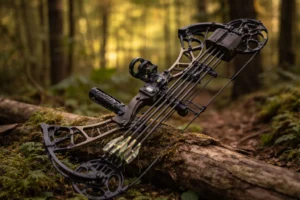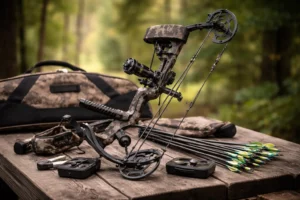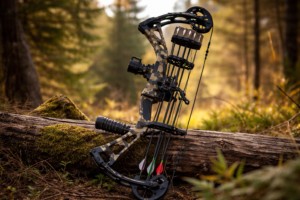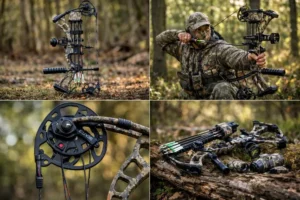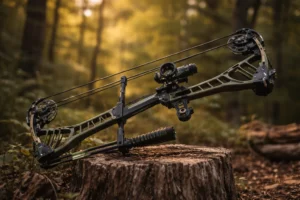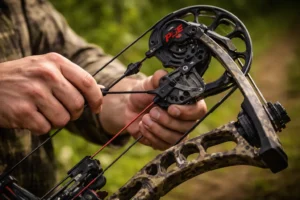
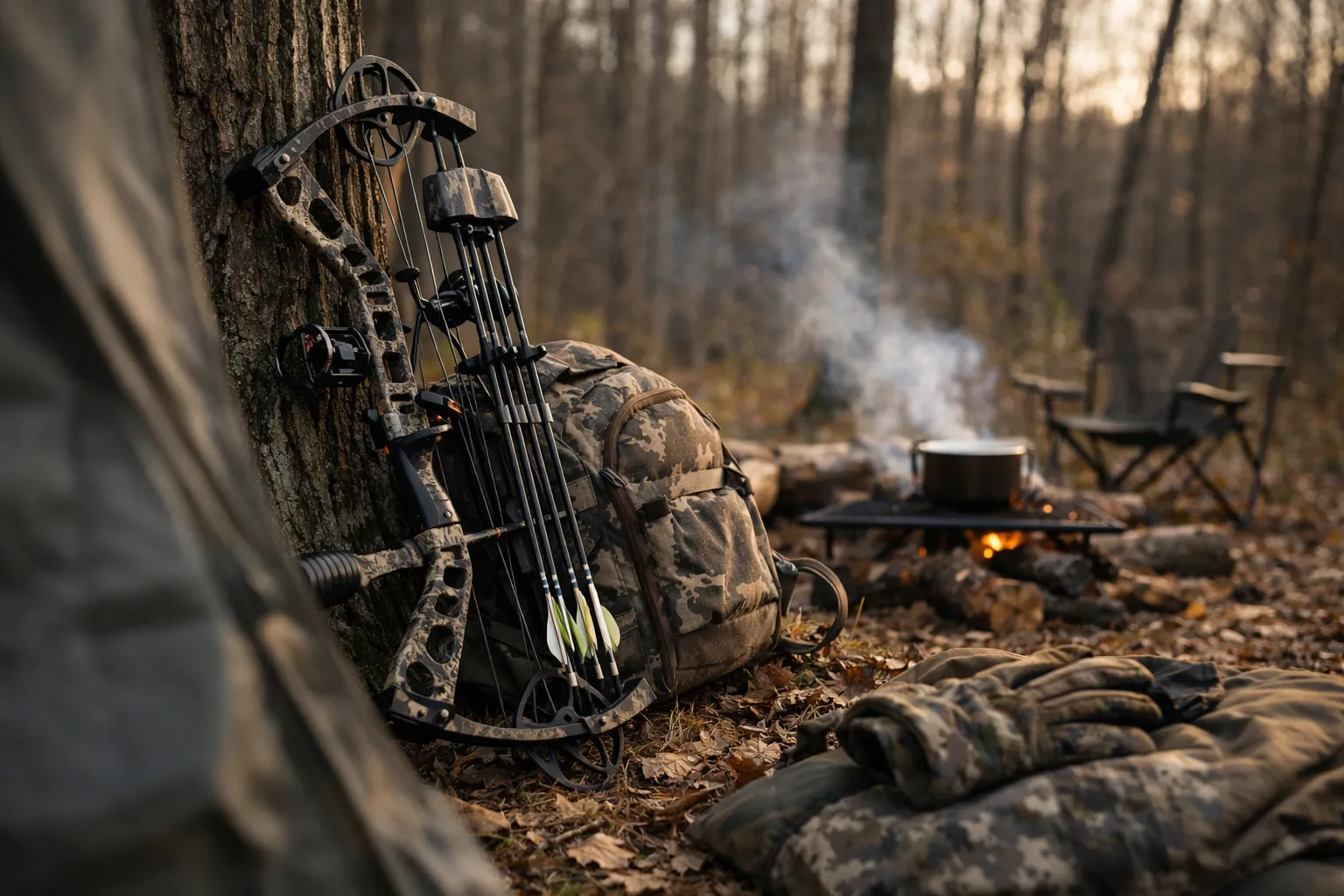
The Bear Archery Whitetail Maxx RTH compound bow is built with a very specific type of hunter in mind. It’s not designed to dominate speed charts or win indoor leagues. Instead, it focuses on real-world performance smooth drawing, manageable handling, and consistency when conditions are far from perfect. This makes it especially relevant for whitetail hunters who care less about headline specifications and more about how a bow behaves in the woods.
What separates this bow from many others in its class is not a single standout feature, but rather how its design choices work together. The Whitetail Maxx RTH emphasizes shootability, efficiency, and mechanical predictability qualities that matter when cold fingers, bulky clothing, and adrenaline are part of the equation.
What “Whitetail Maxx RTH” Is Built to Do
The name is deliberate. “Whitetail” signals a focus on hunting scenarios that involve tight shooting lanes, elevated stands, and shots taken under time pressure. “Maxx” suggests versatility across a wide range of shooters, while “RTH” (Ready-to-Hunt) reflects Bear Archery’s intent to reduce setup complexity.
Rather than forcing hunters to source every component individually, the RTH configuration provides a complete baseline setup. This doesn’t mean the accessories are premium-tier, but it does mean the system is engineered to function as a whole. From a mechanical perspective, this kind of integration helps reduce inefficiencies caused by mismatched components.
Those inefficiencies are often related to hysteresis, a concept in physics and engineering that describes energy loss during repeated loading and unloading cycles. In archery, hysteresis shows up as energy that doesn’t return cleanly from limbs, strings, and cams during the shot. While no compound bow eliminates hysteresis entirely, designs that prioritize smooth energy transfer often feel quieter and more controlled.
Draw Cycle, Let-Off, and Mechanical Efficiency
The draw cycle of a compound bow determines how smoothly energy is stored and released. Aggressive cam profiles can store large amounts of energy quickly, but they often amplify hysteresis-related losses through vibration, noise, and harsh post-shot behavior.
The Whitetail Maxx RTH leans toward a more controlled draw cycle. This approach favors mechanical efficiency and shooter comfort over raw speed. Higher let-off at full draw allows hunters to hold longer with less muscular fatigue, which is particularly important when waiting for a deer to step clear.
From an engineering standpoint, smoother draw cycles tend to distribute stress more evenly across limbs and strings. This not only improves the shooting experience but can also reduce long-term material fatigue another area where hysteresis plays a role over repeated shot cycles.
Cam Systems and Forgiveness in the Field
Compound bow cams dictate how energy is accumulated and released. While modern cam systems are highly efficient, their behavior under load still follows basic physical principles. Each shot involves elastic deformation, friction, and energy dissipation.
Forgiving cam systems are typically less sensitive to small form errors. They tolerate slight variations in draw length, anchor point, and grip pressure better than highly aggressive designs. This tolerance is valuable in hunting, where shooting form is rarely identical from shot to shot.
By favoring a balanced cam profile, the Whitetail Maxx RTH minimizes abrupt energy release that can exaggerate hysteresis effects. The result is a bow that feels calmer at the shot, even if it sacrifices a small amount of peak speed.
Accuracy Beyond the Range
Accuracy on a controlled range does not always translate to accuracy in the woods. Hunting introduces variables that expose the limits of both equipment and technique.
When shooting from a treestand or ground blind, archers often contend with:
- Altered body alignment
- Limited draw space
- Extended hold times
- Psychological pressure
A bow that holds steadily and releases predictably under these conditions often produces better real-world results than a faster but less forgiving alternative.
Mechanical consistency matters here. Systems with lower perceived vibration and smoother energy dissipation allow the archer to maintain focus through the shot. Again, this ties back to hysteresis: less chaotic energy loss means more predictable behavior at release.
Arrow Selection and Energy Transfer
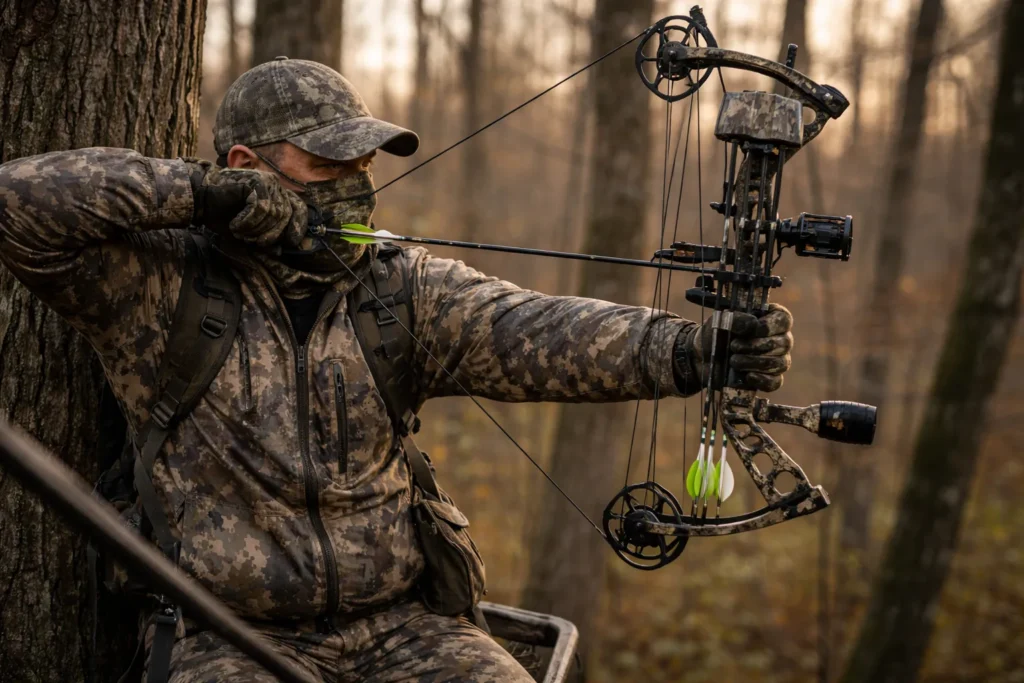
Arrow performance plays a major role in how efficiently a bow’s stored energy is converted into downrange momentum. Heavier arrows tend to absorb energy more effectively, often resulting in quieter shots and improved penetration.
From a physics perspective, energy transfer is never perfect. Some energy is lost to heat, sound, and vibration classic manifestations of hysteresis in mechanical systems. Matching arrow mass to the bow’s output helps optimize this transfer and reduce unwanted losses.
Hunters who prioritize controlled penetration over extreme speed often find that moderate arrow weights complement bows like the Whitetail Maxx RTH particularly well.
Noise, Vibration, and Shot Reaction
Whitetail deer are extremely sensitive to sound and movement. Even small increases in shot noise can lead to string jumping or evasive movement before arrow impact.
A bow that dissipates energy smoothly tends to produce less high-frequency vibration and sharper acoustic signatures. While no bow is silent, reducing these effects can improve effective accuracy.
The Whitetail Maxx RTH’s design choices reflect an understanding that quieter, more controlled shots are often the result of managing energy loss not eliminating it. Hysteresis is unavoidable, but it can be managed through material selection, geometry, and system balance.
Treestand and Ground Blind Practicality
In confined hunting environments, overall handling often matters more than theoretical performance.
The Whitetail Maxx RTH is sized and balanced to function in:
- Elevated treestands with limited clearance
- Ground blinds where limb movement must be controlled
- Seated shooting positions that demand smooth draw cycles
A bow that draws smoothly and holds comfortably reduces unnecessary motion. This not only helps conceal movement from game but also improves shot confidence under pressure.
Durability, Wear, and Long-Term Use
Over time, every compound bow experiences material fatigue. Strings stretch, servings wear, and components loosen. These changes are influenced by repeated stress cycles another real-world example of hysteresis affecting mechanical systems.
Routine maintenance helps manage these effects:
- Inspecting strings and cables regularly
- Waxing strings appropriately
- Checking fasteners and mounts
- Storing the bow properly between seasons
The Whitetail Maxx RTH benefits from straightforward construction and widely available replacement parts, making it easier to maintain over multiple seasons.
Who the Whitetail Maxx RTH Is Best For
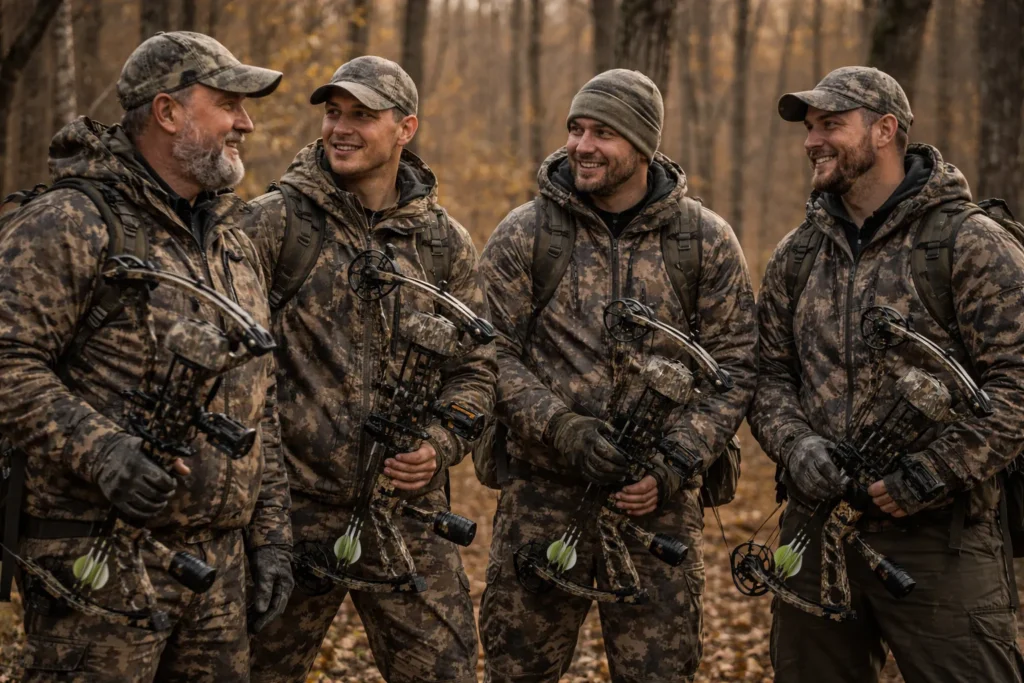
This bow is well suited for:
- New hunters who want a reliable, hunt-ready setup
- Intermediate archers prioritizing consistency over speed
- Whitetail hunters operating within realistic ethical distances
- Shooters who value mechanical predictability
It may be less appealing to archers seeking maximum IBO speed or high-end customization, but that is not its intended role.
Final Perspective
The Bear Archery Whitetail Maxx RTH compound bow succeeds by focusing on what actually matters in the field. It delivers a balanced combination of forgiveness, stability, and mechanical efficiency without overcomplicating the shooting experience. By managing energy transfer and minimizing disruptive effects like vibration and excessive hysteresis-related loss, it offers a controlled, confidence-inspiring platform for whitetail hunting.
FAQs
RTH stands for Ready-to-Hunt, meaning the bow comes equipped with basic hunting accessories pre-installed.
Yes, it’s well suited for beginners due to its manageable draw cycle, forgiving design, and complete starter setup.
Yes, it’s designed specifically for whitetail hunting at common ethical distances with a focus on control and consistency.
It supports a wide range of draw weights, making it adaptable for youth, women, and adult hunters depending on configuration.
Yes, its size and smooth draw cycle make it practical for treestand and ground blind hunting.
Not entirely; the included accessories are functional, but many archers choose to upgrade sights or rests over time.
It prioritizes forgiveness and shootability over extreme speed, which helps with real-world accuracy.
Hunters who value reliability, ease of use, and consistent performance benefit most from this bow.
It is generally considered moderate to quiet, especially when paired with properly weighted hunting arrows.
Yes, its adjustability allows it to accommodate changes in draw length and draw weight over time.