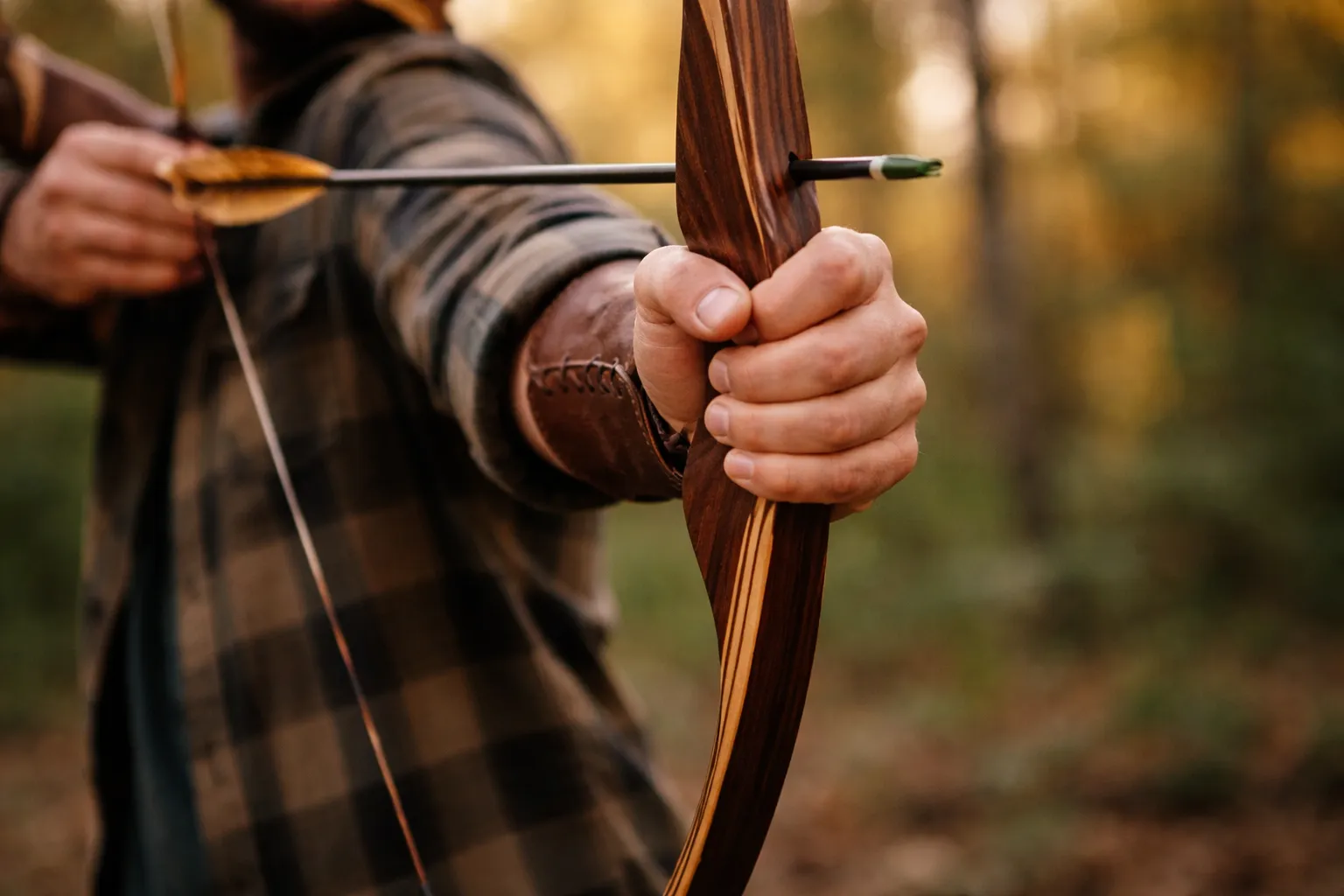
In traditional archery, few components influence shooting consistency as quietly and persistently as the grip. Limbs get the attention. Arrows get the debate. But the grip is where the bow meets the archer, and small differences in contour, angle, and material can change everything from point-of-aim consistency to long-session comfort. The Bear Archery Bear Paw Grip has earned a reputation for being simple, functional, and forgiving qualities that matter far more than flashy aesthetics when arrows are flying.
This article takes a deep dive into the Bear Paw Grip: what it is, why it was designed the way it was, how it performs across different shooting styles, and who benefits most from its geometry.
Understanding the Philosophy Behind the Bear Paw Grip
Bear Archery has always leaned toward practicality over gimmicks. From Fred Bear’s original designs to modern traditional equipment, the company philosophy has favored repeatability and shootability in real hunting and range conditions. The Bear Paw Grip follows that same lineage.
Instead of aggressively sculpted palm swells or sharply defined locator grooves, the Bear Paw Grip emphasizes a neutral, medium-low wrist profile. This allows the archer’s hand to settle naturally into the grip without forcing a specific hand position. The idea is simple: reduce torque, reduce tension, and let bone alignment do the work.
This philosophy is especially valuable in traditional archery, where shooters often transition between instinctive shooting, gap shooting, and split-finger or three-under styles. A grip that doesn’t fight the hand allows adaptability without retraining muscle memory.
Grip Shape and Wrist Angle
The defining feature of the Bear Paw Grip is its ergonomic but understated contour. It sits between a straight longbow grip and a high-wrist Olympic-style grip, offering what many describe as a relaxed locator feel.
The wrist angle encourages a slightly open hand position, promoting heel-down pressure rather than palm-wide squeezing. This helps minimize lateral torque, one of the most common causes of inconsistent arrow flight in traditional bows.
Because the grip doesn’t aggressively lock the hand into place, archers with different hand sizes often find it comfortable right out of the box. Large hands don’t feel cramped, and smaller hands aren’t forced into overstretching to maintain control.
Material and Surface Feel
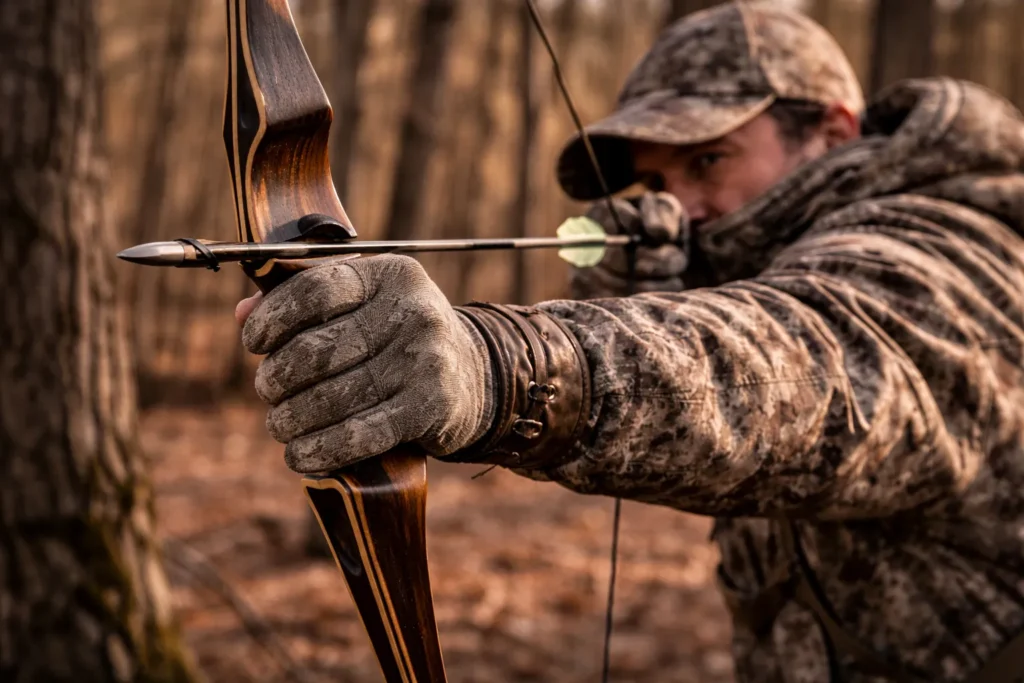
The Bear Paw Grip is typically finished in a smooth wood or wood-like composite that balances tactile feedback with comfort. It’s not rubberized, which means it won’t grab or drag the skin during release. That smoothness is intentional.
In traditional shooting, the bow should push forward naturally after the shot. A slicker surface encourages relaxed pressure and clean follow-through. When paired with a light grip pressure often described as holding a bird without crushing it the Bear Paw Grip shines.
From a materials perspective, wood-based grips also offer thermal advantages. The U.S. Department of Energy notes that wood has lower thermal conductivity than many synthetic materials, which explains why wooden grips often feel warmer in cold environments. This characteristic can reduce over-gripping in cold-weather hunting, where stiff hands often lead to torque-related accuracy issues.
How the Bear Paw Grip Affects Accuracy
Accuracy in archery is rarely about mechanical perfection alone. It’s about repeatability. The Bear Paw Grip contributes to accuracy by promoting consistent hand placement without demanding conscious effort.
Because the grip doesn’t force a specific angle, shooters can settle into their natural alignment. Over time, this reduces micro-adjustments at full draw and leads to more consistent anchor points. Many archers report tighter groups simply because the grip removes variables rather than adding them.
For instinctive shooters, this is especially important. When aiming is subconscious, any inconsistency in grip pressure or hand angle can translate directly into vertical or horizontal misses. The Bear Paw Grip’s forgiving shape helps smooth those inconsistencies.
Torque Reduction and Bow Reaction
Torque is the silent enemy of traditional archery. Even slight twisting pressure can send arrows off line, especially at longer distances. The Bear Paw Grip combats this by encouraging pressure through the web of the thumb and index finger rather than across the entire palm.
This pressure path aligns the bow more directly with the bones of the forearm, reducing rotational forces during release. The result is a cleaner bow reaction and more predictable arrow flight. Archers transitioning from compound bows often struggle with torque when switching to traditional equipment. The Bear Paw Grip provides a familiar sense of stability without mimicking compound grip extremes, making it a popular bridge between styles.
Comfort During Long Shooting Sessions
Comfort isn’t just about avoiding blisters. It’s about reducing fatigue so form doesn’t break down over time. The Bear Paw Grip’s gentle contours distribute pressure evenly across the hand, preventing hot spots that can develop during extended practice or stump shooting.
Because the grip doesn’t require constant muscular engagement, shooters often find they can shoot longer without hand or forearm fatigue. This is especially valuable for traditional bowhunters who practice frequently in the months leading up to season. For archers with joint sensitivity or past hand injuries, the reduced tension encouraged by the Bear Paw Grip can make the difference between enjoyable shooting and cut-short sessions.
Compatibility With Shooting Styles
One of the Bear Paw Grip’s strongest advantages is versatility. It works well for instinctive shooters, gap shooters, split-finger archers, and three-under shooters alike.
Because it doesn’t lock the hand into a rigid position, the grip adapts to subtle changes in technique. This makes it particularly appealing for archers still refining their style or experimenting with different anchor points.
Bear Paw Grip in Hunting Applications
In hunting scenarios, gear must perform under pressure, in awkward body positions, and often in cold or wet conditions. The Bear Paw Grip’s simplicity becomes a strength here.
Its smooth surface doesn’t snag gloves or interfere with quick hand placement during a rushed shot. The medium-low wrist angle allows comfortable shooting from tree stands, ground blinds, or kneeling positions without excessive wrist strain. Many traditional hunters appreciate that the grip promotes relaxed hand pressure, reducing the chance of torque-induced misses when adrenaline is high.
Maintenance and Longevity
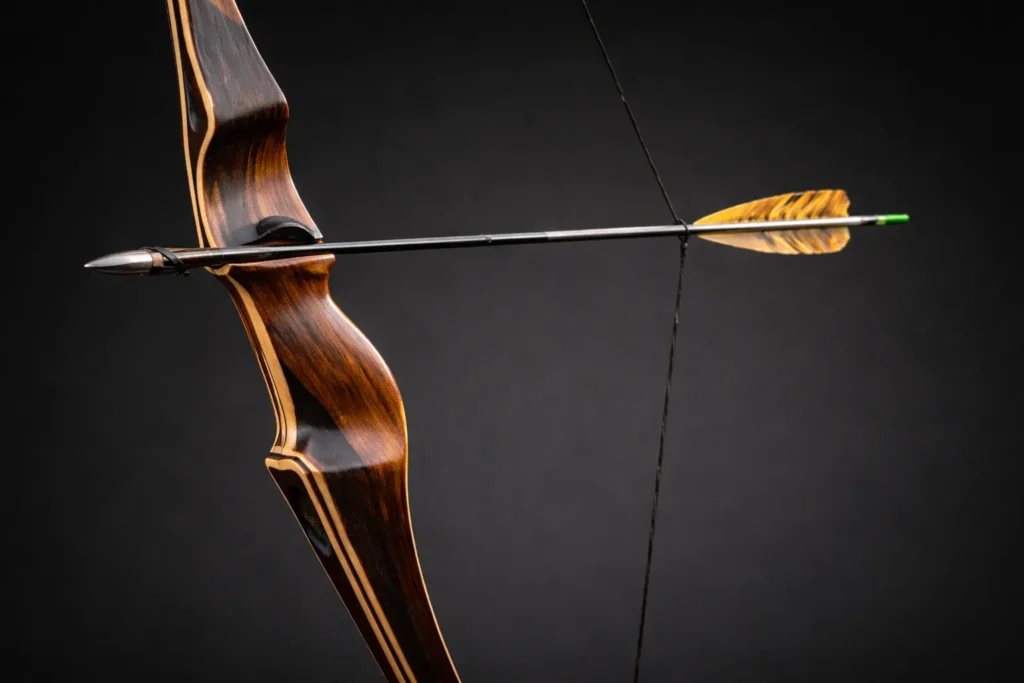
Unlike rubberized or heavily textured grips, the Bear Paw Grip requires minimal maintenance. Occasional wiping to remove dirt or sweat is usually sufficient. Over time, the grip may develop a subtle patina, especially on wooden versions, which many archers find appealing.
Because there are no soft materials to degrade, the grip tends to age gracefully. This durability aligns well with the traditional archery ethos of equipment that lasts decades rather than seasons.
Comparing the Bear Paw Grip to Other Traditional Grips
When compared to high-wrist or deeply sculpted grips, the Bear Paw Grip feels less prescriptive. It doesn’t tell the archer exactly how to hold the bow it invites the archer to find their natural position.
Compared to straight longbow grips, it offers more guidance and comfort without sacrificing freedom. This middle-ground approach is why many shooters describe it as easy to live with across different bows and shooting styles.
Final Thoughts
The Bear Paw Grip doesn’t try to reinvent archery grip design. Instead, it refines what already works. Its neutral shape, comfortable feel, and torque-reducing characteristics make it a dependable choice for archers who prioritize real-world performance over novelty.
In a sport where consistency is everything, the Bear Archery Bear Paw Grip stands out not by demanding attention, but by quietly doing its job shot after shot, season after season.
FAQs
It’s a traditional bow grip design known for its neutral wrist angle and forgiving shape that promotes consistent hand placement.
Yes. Its relaxed, non-aggressive contour makes it easier for new archers to develop consistent grip habits without excessive torque.
Yes. The grip encourages pressure through the thumb-index web rather than the palm, helping minimize twisting during the shot.
It performs well for instinctive shooting, gap shooting, split-finger, and three-under styles.
Absolutely. Its smooth surface, comfort, and adaptability make it reliable in varied hunting positions and weather conditions.
It offers a lower, more relaxed wrist angle, reducing tension and making it more forgiving for traditional shooters.
Not significantly. The grip’s balanced shape accommodates a wide range of hand sizes comfortably.
It is typically finished in smooth wood or wood-based composites designed for comfort and durability.
Yes. Its even pressure distribution helps reduce hand fatigue during extended practice or stump shooting.
Yes. Many compound shooters find the Bear Paw Grip a comfortable transition due to its stability and torque-reducing design.